 By admin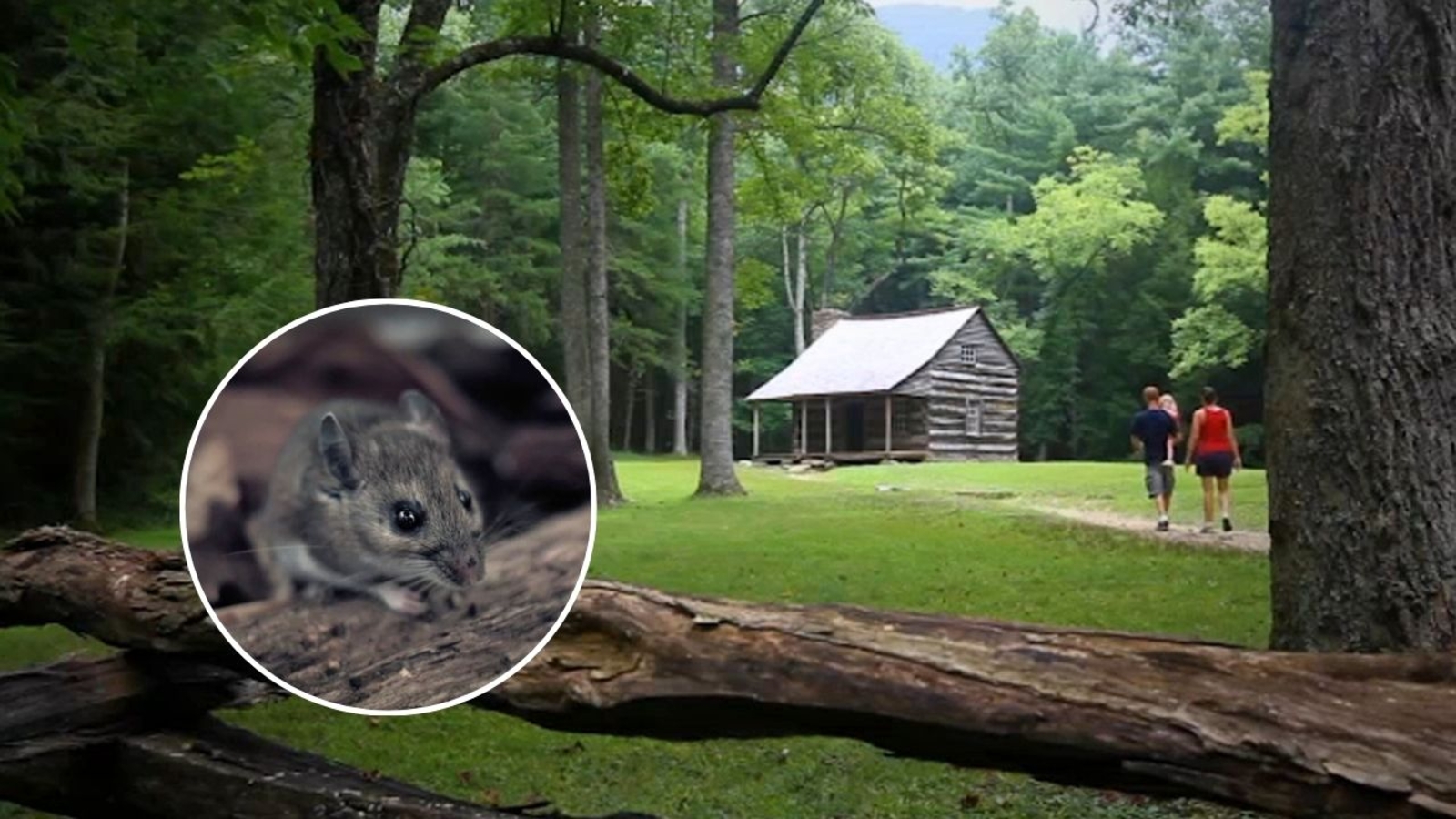
LOS ANGELES (KABC) — After sparking worldwide concern, the Andes Hantavirus outbreak linked to a Dutch-based cruise ship appears to be contained.
Read more Verdict reached in murder trial tied to 2018 police shooting that killed Trader Joe’s worker
But here in Southern California, another Hantavirus strain is responsible for a few local cases every year.
Unlike the Andes Hantavirus strain, which can spread from person-to-person, the type endemic to California, which is more commonly seen in the United States, behaves differently.
“The specific strain that we have here in the U.S. is called Sin Nombre virus or SNV,” said Dr. Jorge Robledo, an infectious disease physician at Loma Linda University. “This has not been shown to be transmitted from person to person.”
Instead, the Sin Nombre virus infects people through contact with wild rodents. Health officials say transmission can occur when people come into contact with contaminated materials.
“Hantavirus is transmitted through contact with urine, with feces, saliva. Potentially even bites from a rodent,” said Dr. Bobbi S. Pritt of the Mayo Clinic.
Once contracted, the virus targets the lungs, attacking small blood vessels and allowing fluid to build up, which can weaken the heart. Though cases are rare, the illness can be severe.
The disease drew attention early last year following the death actor Gene Hackman’s wife Betsy Arakawa. The couple lived in a remote rural setting where rodents had built nests, highlighting the potential risks in such environments.
Read more Community patrols expand as data offers insight into ICE arrests, family separations in SoCal
“Here in the U.S. is the deer mice. Sometimes, some cases are related when people go camping, or when somebody has a cabin in the mountains,” Robledo said.
Experts say people heading to cabins or mountain areas should take precautions, particularly if a structure has been unoccupied for an extended period. Robledo recommends airing out cabins before entering.
If rodent droppings are present, the Centers for Disease Control and Prevention advises using protective equipment during cleanup.
“Perhaps an N95 mask, a respirator, goggles, wearing gloves, using a bleach solution,” Pritt said.
Doctors emphasize that infections are uncommon in urban settings and that typical household mice in cities are not usually carriers of hantavirus. Still, precautions remain important.
Health officials advise wetting down any droppings with a bleach solution before cleaning and avoiding vacuuming or sweeping, as that can spread contaminated particles into the air.
While cases in California remain rare, experts say awareness and simple preventive measures can significantly reduce the risk, especially during summer months when outdoor activities increase.
Read more Massive swell could bring biggest waves of the year to The Wedge in OC, other SoCal beaches